I still remember the first time I made chicken piccata. Noah had just turned two, Lily was going through her “I only eat beige food” phase, and Jake and I were desperate for something that felt like a real restaurant dinner but could actually happen on a Tuesday night. I pulled out a skillet, pounded some chicken breasts thin, and watched that bright lemony butter sauce come together in about fifteen minutes. Jake took one bite and said, “Wait, you made this?” That is still one of my favourite compliments I have ever received in the kitchen.
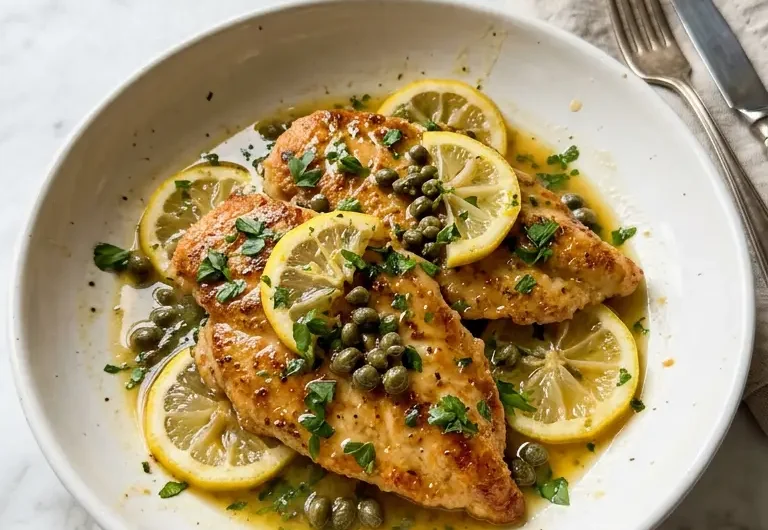
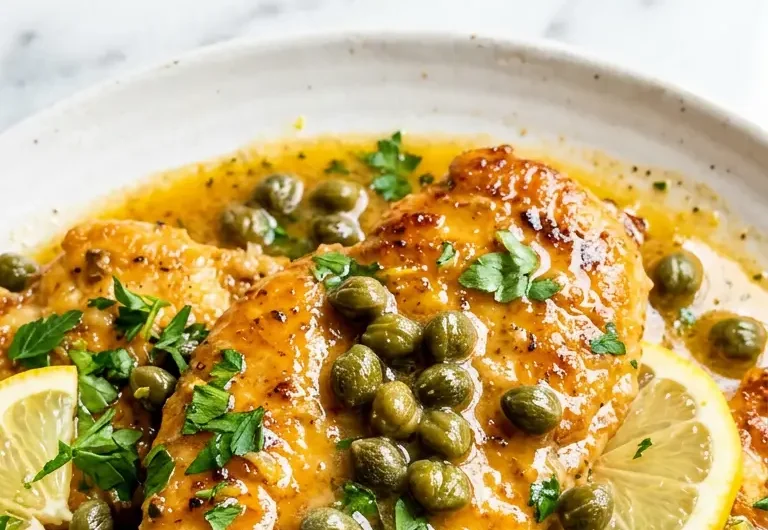
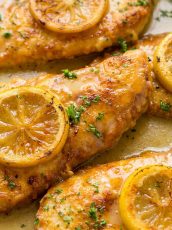
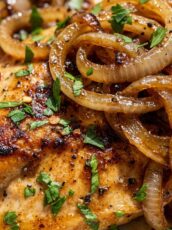
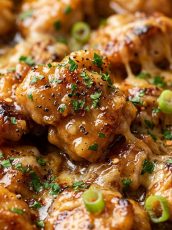
This chicken piccata is everything I want in a healthy weeknight meal. The chicken comes out golden and crispy on the outside, tender and juicy inside, and it swims in the most glossy, bright lemon and caper sauce you have ever tasted. It feels indulgent and fancy, but it is actually pretty light. I use a touch less butter than most classic recipes and brighten everything up with fresh lemon juice, and you honestly cannot tell the difference. Well, Jake can tell. He says mine tastes better.
💌 Love this one? There are 19 more.
I gathered the 20 most beloved recipes on Fresher Recipes into one free printable cookbook. These are the dishes readers tell me changed their weeknights. Pop in your email and it’s yours in seconds.
Instant download. Unsubscribe anytime.
Why You'll Love This Recipe
Ingredients You'll Need
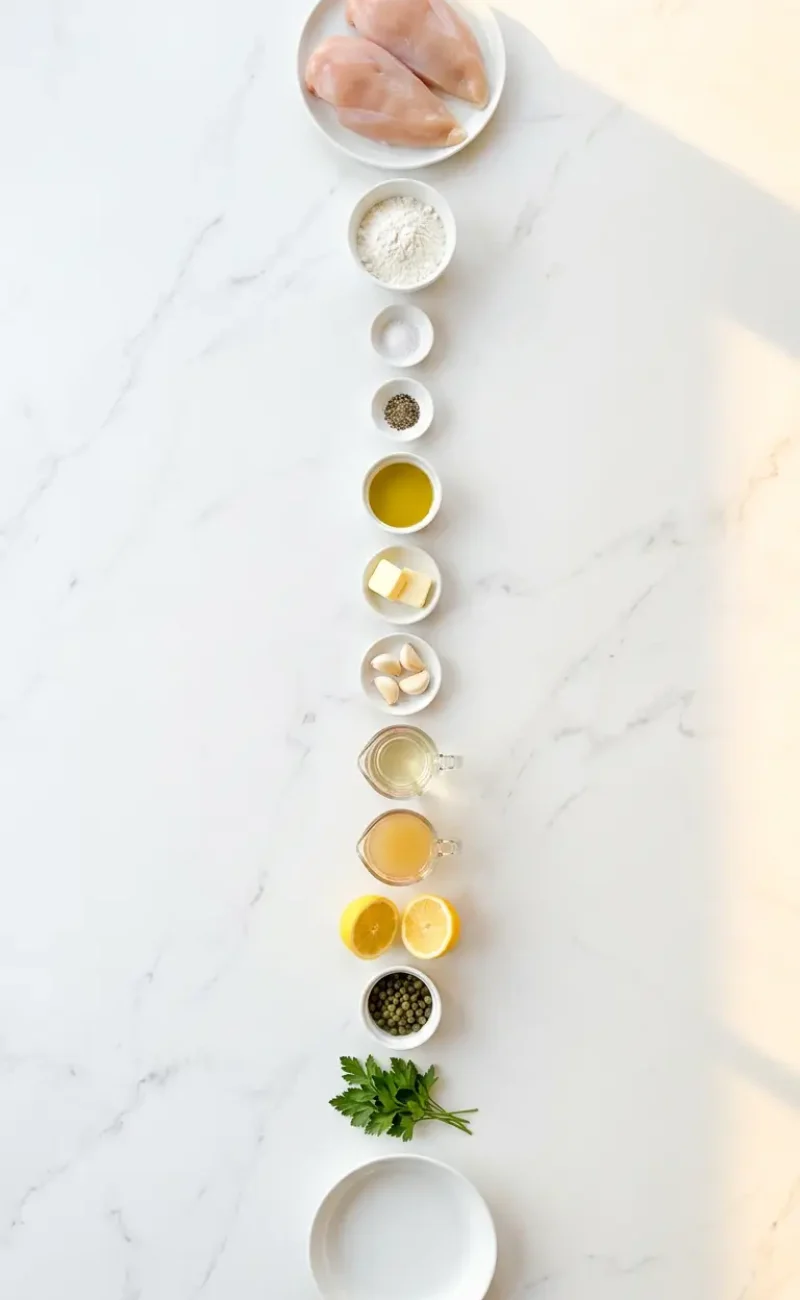
The ingredient list here is short and simple, which is part of what makes chicken piccata so wonderful. Everything works together and nothing is wasted. Here is what you need and why each piece matters.
- 4 boneless skinless chicken breasts (about 680g / 1.5 lb total), pounded to about 1 cm (half an inch) thickness so they cook evenly and stay juicy.
- 60g (half a cup) all-purpose flour, for a light coating that helps the chicken turn golden and gives the sauce something to cling to.
- 1 teaspoon fine sea salt, for seasoning the flour and the chicken generously before cooking.
- Half a teaspoon freshly ground black pepper, adds a gentle warmth to the crust.
- 2 tablespoons (30ml) olive oil, for searing the chicken to a beautiful golden colour without adding too much heaviness.
- 3 tablespoons (45g) unsalted butter, divided, one tablespoon for searing and two for finishing the sauce. Using unsalted butter lets you control the saltiness perfectly.
- 4 garlic cloves, minced, they go into the sauce and cook briefly so they turn golden and fragrant rather than raw and sharp.
- 180ml (three quarters of a cup) dry white wine, like a pinot grigio or sauvignon blanc. This deglazes the pan and picks up all those gorgeous golden bits stuck to the bottom. Use one you would drink.
- 180ml (three quarters of a cup) low-sodium chicken broth, adds body to the sauce without making it salty.
- 60ml (quarter of a cup) fresh lemon juice, about two large lemons. Fresh is non-negotiable here. Bottled lemon juice will make the sauce taste flat and slightly bitter.
- 2 tablespoons (20g) capers, drained, these little briny gems are the soul of a piccata sauce. They bring a salty, tangy, punchy flavour that makes the whole dish sing.
- 2 tablespoons fresh flat-leaf parsley, roughly chopped, stirred in right at the end for freshness and a beautiful pop of green colour.
- 1 lemon, thinly sliced, for serving. It looks stunning and lets people squeeze a little extra brightness onto their plate.
Pound your chicken breasts thin and even. This is the single most important step in the whole recipe. Thick chicken breasts take too long to cook through, which means the outside gets overdone before the inside is safe to eat. I place each breast between two sheets of plastic wrap and use a rolling pin or the flat side of a meat mallet to pound them to about 1 cm (half an inch) thick. It takes two minutes per breast and it makes a huge difference.
Use real dry white wine if you can. I know some recipes say you can sub chicken broth for the wine and technically you can, but you lose a lot of the complexity in the sauce. A basic pinot grigio from the grocery store works perfectly and costs very little. If you are avoiding alcohol, swap it for equal parts chicken broth with a splash of white wine vinegar. Speaking of bright lemony chicken dishes, my Parmesan Crusted Chicken uses a similar quick pan technique if you want another easy weeknight option to try.
How to Make Healthy Chicken Piccata
This recipe comes together in one skillet, which means minimal cleanup and maximum flavour. The whole process flows from searing the chicken to building the sauce right in the same pan, so all those golden drippings get incorporated into the sauce. Here is how I do it every single time.
Step 1: Pound and season the chicken.
Place each chicken breast between two pieces of plastic wrap on your cutting board. Use a rolling pin or meat mallet to pound them to an even 1 cm (half-inch) thickness. Mix together the flour, salt, and pepper in a shallow bowl or plate. Dredge each chicken breast in the seasoned flour, pressing gently so it sticks, then shake off any excess. You want a thin, even coating, not a thick crust.
Lora’s Tip: Season the flour generously. This is your only chance to season the actual chicken coating, so do not be shy with the salt and pepper. Taste a pinch of the seasoned flour before you start and adjust if needed.
Step 2: Sear the chicken until golden.
Heat the olive oil and 1 tablespoon of the butter in a large skillet over medium-high heat. When the butter foams and the foam starts to subside, the pan is ready. Add the chicken cutlets in a single layer, working in batches if needed. Cook for 3 to 4 minutes per side until deep golden brown and cooked through (internal temperature should reach 74 degrees C / 165 degrees F). Transfer the cooked chicken to a plate and tent loosely with foil to keep warm.
Lora’s Tip: Resist the urge to move the chicken around while it is searing. Let it sit undisturbed until it releases naturally from the pan. If you have to force it up, it is not ready to flip yet. That golden crust is worth the patience.
Step 3: Build the lemon caper sauce.
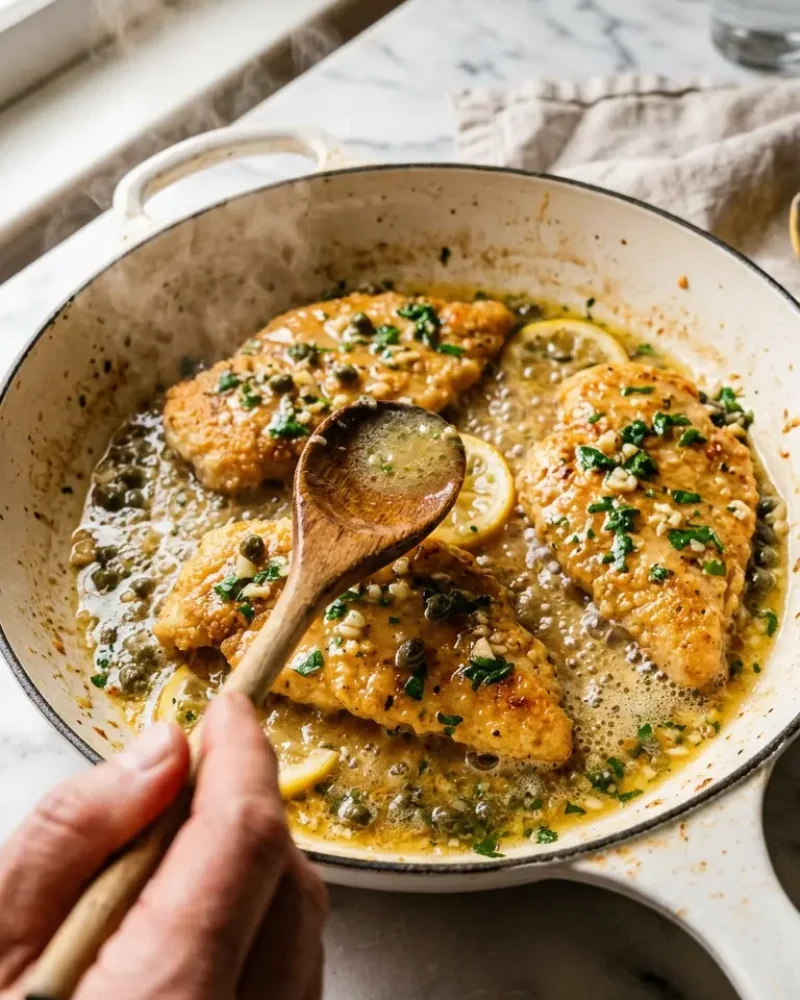
Reduce the heat to medium. In the same skillet (do not wipe it out), add the minced garlic and cook for about 30 seconds, stirring constantly, until fragrant and just turning golden. Pour in the white wine and use a wooden spoon to scrape up all the browned bits from the bottom of the pan. Those bits are pure flavour. Let the wine simmer and reduce by about half, which takes around 2 minutes. This technique of deglazing the pan is the same one I use in my Garlic Butter Chicken and Green Beans, and it works beautifully for building a quick sauce with incredible depth.
Lora’s Tip: Keep the heat at medium during the sauce-building stage. Too high and the garlic will burn and turn bitter. Too low and the sauce will not reduce properly. Medium is your sweet spot.
Step 4: Add the broth, lemon, and capers.
Pour in the chicken broth and fresh lemon juice. Add the drained capers. Stir everything together and let the sauce simmer for 3 to 4 minutes until it reduces slightly and turns glossy. Taste it and adjust the seasoning if needed. If it tastes too sharp, add a small pinch of sugar or a touch more butter. If it tastes flat, add a squeeze more lemon.
Step 5: Finish with butter, return the chicken, and serve.
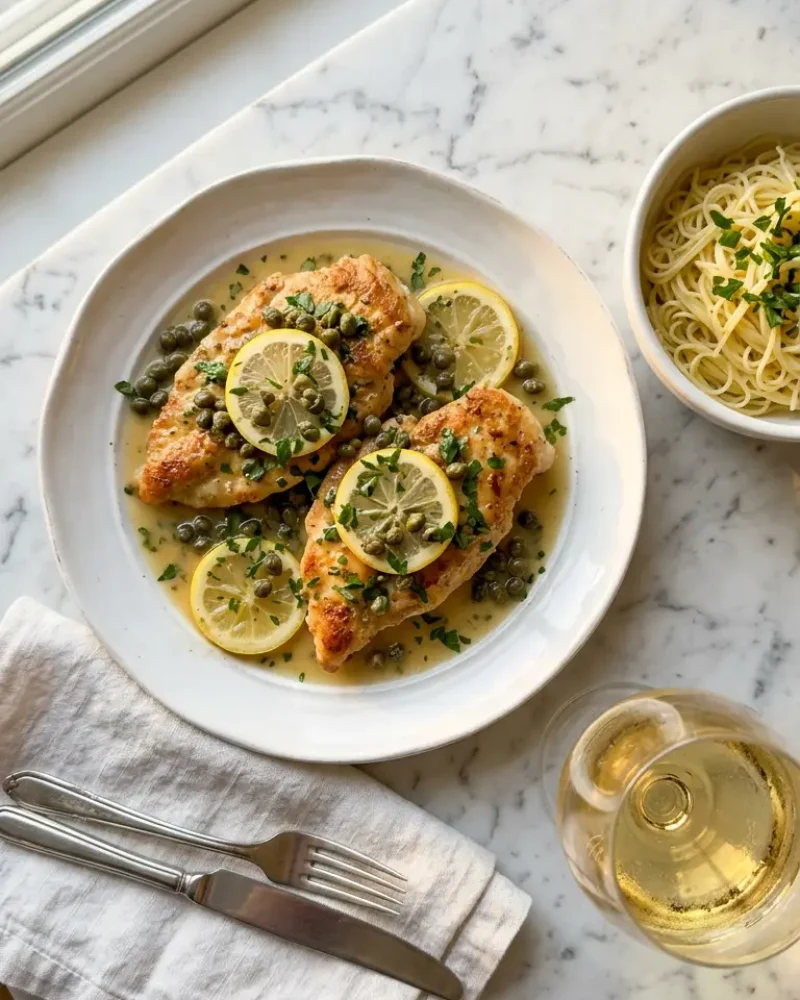
Remove the pan from the heat and swirl in the remaining 2 tablespoons of cold butter one tablespoon at a time. This is called mounting the butter and it gives the sauce that beautiful silky, restaurant-quality finish. Return the chicken to the pan and spoon the sauce generously over the top. Scatter the fresh parsley over everything and lay the lemon slices around the chicken. Serve immediately straight from the skillet.
Lora’s Tip: Taking the pan off the heat before swirling in the final butter is important. If the pan is too hot when you add it, the butter will separate and the sauce will look greasy instead of silky. Pull the pan off, swirl, and enjoy the magic.
Variations and Substitutions
Chicken piccata is a very forgiving and flexible recipe. Once you have the base technique down, there are so many delicious directions you can take it.
Creamy Piccata: Stir in 60ml (quarter of a cup) of heavy cream or full-fat coconut cream at the very end when you swirl in the butter. The sauce turns velvety, rich, and absolutely dreamy. Jake requests this version for date nights at home.
Piccata with Artichoke Hearts: Add half a can of drained, quartered artichoke hearts to the sauce along with the capers. They soak up the lemony sauce beautifully and add a lovely meatiness to every bite.
Piccata with Spinach: Throw two large handfuls of baby spinach into the sauce right before you return the chicken to the pan. It wilts in about a minute and turns the whole dish into a complete one-pan meal with greens built right in.
Turkey Piccata: Use thin turkey cutlets instead of chicken. The cooking time is essentially the same and the sauce works just as well. It is a great option around Thanksgiving when you want something a little more elegant than leftovers.
Gluten-Free Piccata: Replace the all-purpose flour with rice flour or a gluten-free all-purpose blend. The crust will be slightly more delicate but still turns golden and beautiful. I have made it this way for friends with gluten sensitivities and nobody could tell the difference.
What to Serve with Healthy Chicken Piccata
Chicken piccata is incredibly versatile when it comes to what you serve alongside it. The bright lemony sauce is the star, so I like to pair it with something that can soak up all that flavour.
Pasta is the classic choice. Thin linguine or angel hair works best because the delicate noodles do not compete with the sauce but carry it beautifully. Toss the pasta with a little olive oil before plating and then spoon the chicken and sauce right over the top. If you love a good creamy garlic pasta situation, my One Pot Creamy Garlic Pasta would make a stunning side for this.
Steamed white rice or cauliflower rice both work wonderfully if you prefer something simpler. The sauce soaks into rice in the most satisfying way. I also love serving piccata over a bed of soft polenta for something a little more rustic and comforting on cool evenings.
For vegetables on the side, roasted asparagus, steamed broccolini, or a simple green salad all complement the bright flavours without overwhelming them. A crisp green salad with a light vinaigrette is especially nice because it mirrors the lemony acidity of the piccata sauce. You could even pair it with my Chickpea Feta Avocado Salad for a complete, vibrant, healthy dinner spread.
Storage, Freezing, and Reheating
Frequently Asked Questions
Here are the questions I get asked most about this recipe:
Can I make chicken piccata without wine?
Absolutely. If you prefer not to cook with alcohol, replace the white wine with an equal amount of chicken broth plus one tablespoon of white wine vinegar or apple cider vinegar. The vinegar gives you the brightness and a little of the acidity that the wine provides. The sauce will still be delicious, just slightly less complex in flavour.
What does piccata mean?
Piccata is an Italian cooking method where meat, most commonly chicken or veal, is sliced thin, lightly coated in flour, pan-fried, and then served with a sauce made from lemon, butter, and capers. The word comes from the Italian for “sharp” or “larded,” which is a nod to the punchy, bright, acidic flavours of the sauce.
Can I use chicken thighs instead of breasts?
Yes, and I actually love this swap. Boneless skinless chicken thighs have more fat running through them so they stay incredibly juicy even if you slightly overcook them, which makes them a little more forgiving for beginner cooks. Pound them thin just like you would breasts and follow the same cooking method. They may take an extra minute or two per side since thighs tend to be thicker at one end.
Why does my sauce taste too sour?
This usually means the lemon juice is a little too prominent, which can happen if your lemons were very acidic. A few fixes: swirl in an extra tablespoon of cold butter to mellow the sharpness, add a tiny pinch of sugar to balance the acidity, or pour in a splash more chicken broth to dilute it slightly. Always taste before serving and adjust because every batch of lemons is a little different.
Is chicken piccata gluten-free?
The traditional recipe uses all-purpose flour for dredging, which contains gluten. To make it gluten-free, simply swap the flour for rice flour, almond flour, or a gluten-free all-purpose blend. The results are very similar and the crust still turns golden and beautiful. Just make sure your chicken broth is also certified gluten-free as some contain wheat-based thickeners.
Chicken piccata has been on our family dinner rotation for years now, and I genuinely think it is one of those recipes that never gets old. There is something almost magical about watching a handful of simple, real ingredients come together into something that tastes this bright and alive. Every time I make it, that glossy lemony sauce catches the light in the pan and I feel like a proper chef for about four minutes before Noah throws a piece of pasta on the floor and we are back to real life.
I really hope this becomes your favourite weeknight dinner too. Make it once and I promise you will be making it on repeat. Tag me if you share it anywhere because I love seeing your kitchens come alive with this one.
With love and lemon butter,
Lora x